Wednesday, October 21, 2026 · Dogs
Clear Surgical Conversations Help Pets Recover With Better Support
Noted by Castillo, Therese · 898 reads
Thoughtful discussions about diagnosis, anesthesia, options and home care help owners set realistic expectations and support safer recovery.
Surgical care depends on more than what happens in the operating room. A pet’s outcome is also shaped by whether the diagnosis and prognosis are understood, the treatment plan fits the individual animal, and the owner can follow recovery instructions at home. A focused conversation before surgery gives the veterinary team a chance to correct misunderstandings and prepare the household for what comes next.
Owners may arrive having searched online, consulted social media groups or used AI tools. That research can give them useful background and help them ask informed questions. It can also create expectations that don’t match the pet’s actual condition. A consultation should make room to hear what the owner has learned, review the evidence for the diagnosis and explain how the recommended plan applies to that patient.
Build the plan around the whole patient
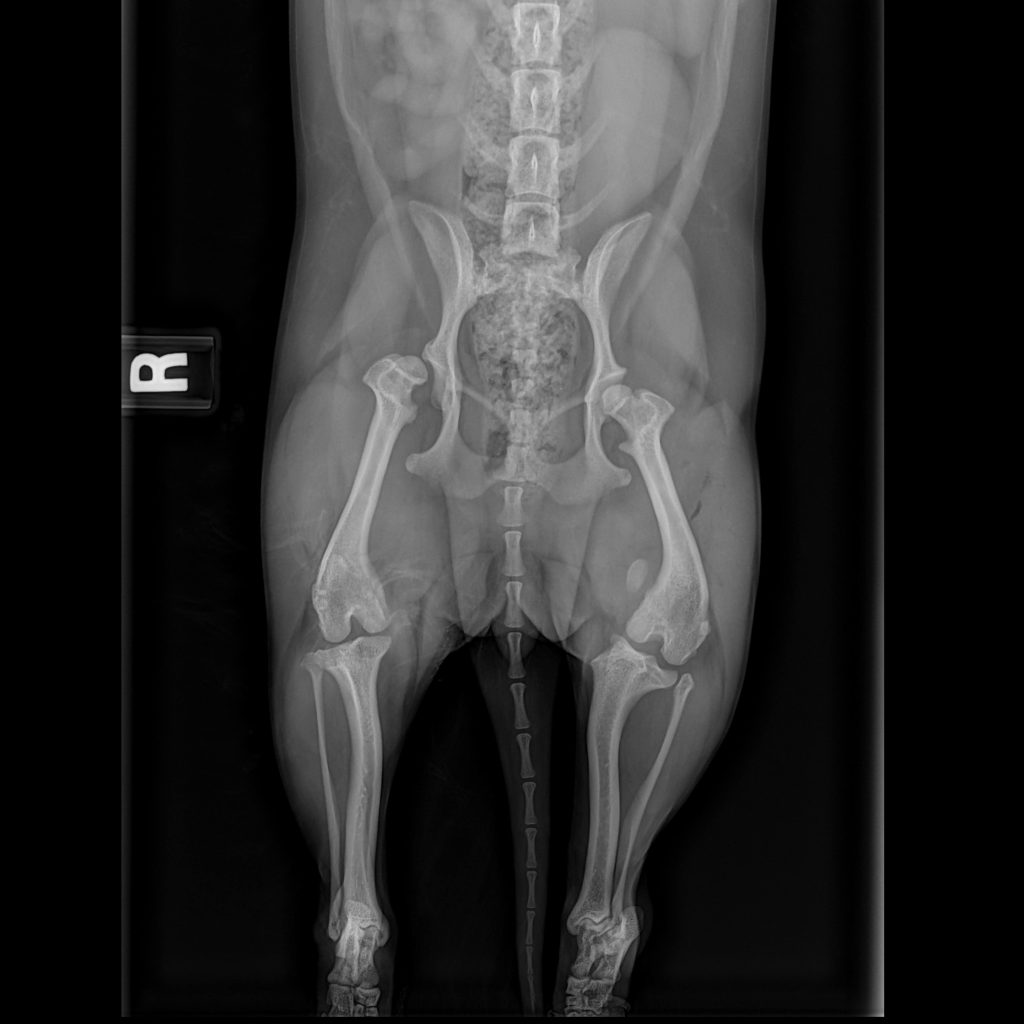
Some surgical diagnoses are relatively direct, such as a single large cystolith. Others need closer evaluation. Cranial cruciate ligament (CCL) injuries are common in referral practice, but a complete rupture may be easier to identify than a partial tear. A treatment recommendation should also account for other health problems and findings, since these can affect both the procedure and the expected recovery.
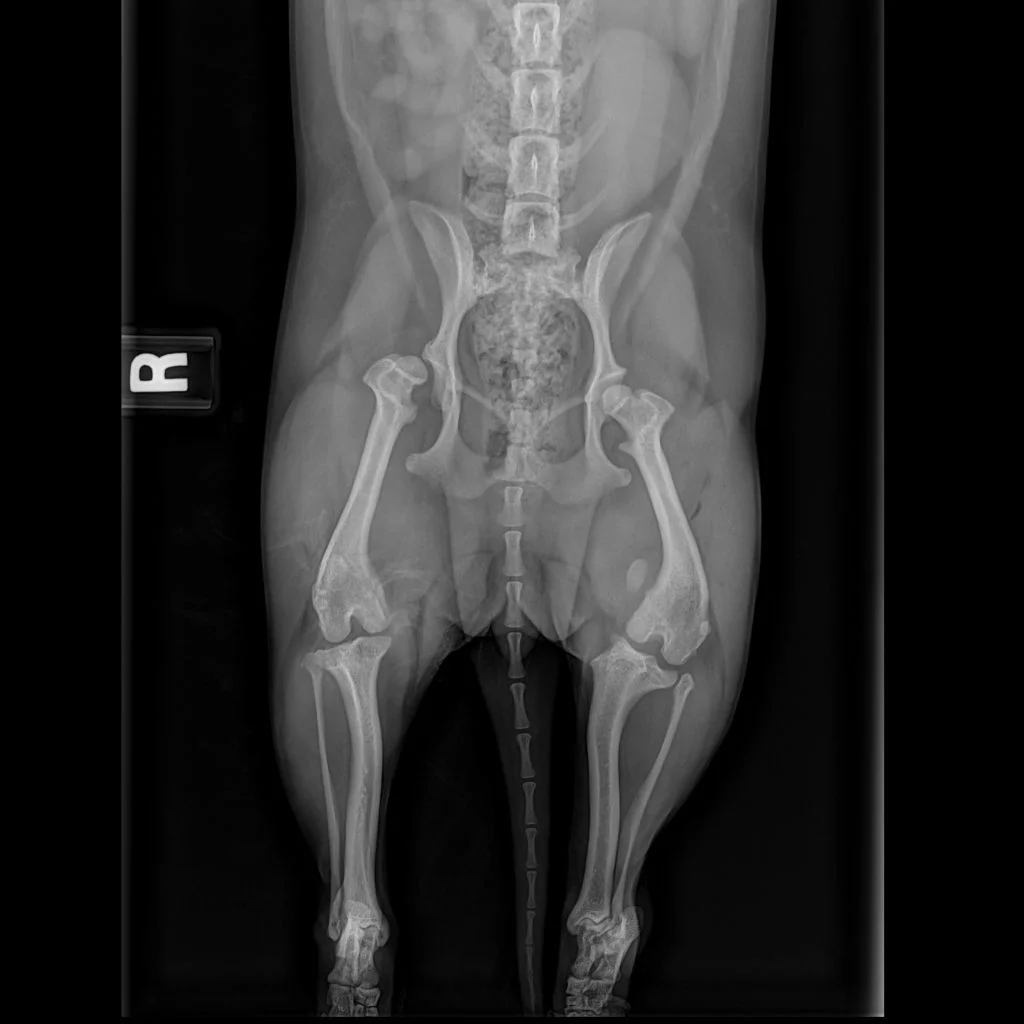
For example, a five-year-old Labrador retriever with a recent partial CCL injury may have a different outlook from a 10-year-old Labrador with chronic injuries in both cruciate ligaments and osteoarthritis visible on radiographs. Those details can change surgical recommendations and influence what owners should expect after the procedure. Taking a careful history and completing a thorough physical examination help prevent a narrow focus on one diagnosis from obscuring the rest of the patient’s needs.
Explain choices and tradeoffs
Some conditions have one reasonable surgical approach; others have several. When options exist, owners need to hear the likely advantages, drawbacks and limits of each. In general practice, that might mean discussing ovariohysterectomy, ovariectomy and ovarian-sparing spay. For a CCL injury, a general practitioner may offer extracapsular stabilization, while tibial plateau leveling osteotomy (TPLO) or tibial tuberosity advancement may be available through a traveling specialist or referral hospital.
Cost and travel matter, but they don’t tell the whole story. The discussion should also cover what each procedure involves and what its limitations mean for the individual pet. For advanced procedures, the specialist performing the surgery may lead the detailed comparison. Either way, owners who understand the realistic choices are better placed to select a plan that suits their animal and household.
It’s best to explain the options without predicting which one an owner will choose. In cases of hip dysplasia, for instance, some families may pursue total hip arthroplasty, while others may choose femoral head and neck excision. The clinician’s role is to clarify the available approaches and help the family weigh them for its circumstances.
Discuss anesthesia in terms of individual risk
General anesthesia is a common source of concern, particularly when a pet has a concurrent condition or the owner recalls a previous complication. One cited study reported anesthesia-related complications in 10 to 12 percent of dogs and cats, while reported anesthetic death rates were below 1 percent.1 Perianesthetic complications have been recorded in up to 49 percent of brachycephalic patients.2 These figures provide context, but an individual pet’s health and the planned procedure still matter.
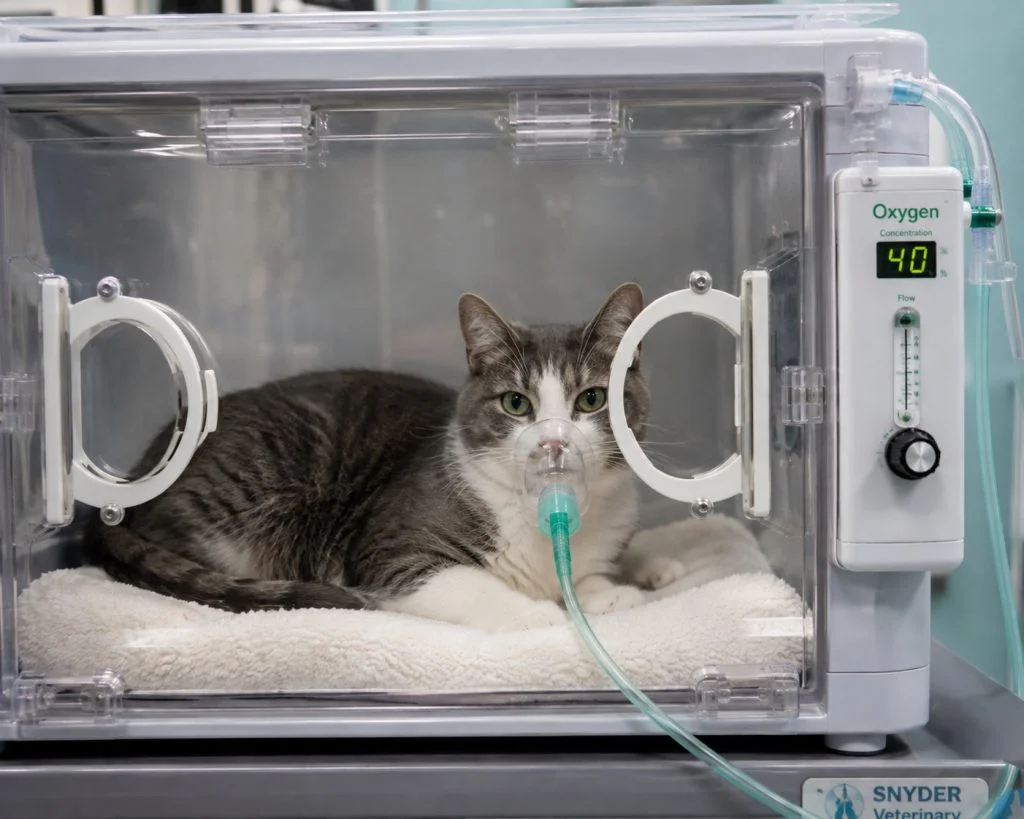
Recognizing the patient’s specific needs, adapting the anesthetic plan and monitoring closely around the procedure can help reduce potential complications. The team should also discuss what recovery may look like: when the pet might be able to walk, how appetite may change and when a bowel movement might be expected. Clear expectations make it easier for owners to distinguish anticipated recovery from a concern that merits a call to the veterinary team.
Age alone doesn’t describe an older pet’s ability to cope with surgery. Frailty offers another way to think about vulnerability to stress, including activity tolerance, body condition, mobility and muscle mass.3 A geriatric animal that maintains a healthy weight and reasonable mobility, with few concurrent conditions, may be a suitable candidate for anesthesia and surgery. Unintentional weight loss, reduced muscle and low energy call for a different discussion and may make added diagnostics, treatment, medication planning or perioperative support useful. Frailty changes the planning conversation; it doesn’t, by itself, determine the outcome.
Make home recovery achievable
Recovery time depends on the procedure. An uncomplicated cystotomy generally involves a shorter recovery than TPLO. Before surgery, owners should know how activity must be limited, whether a bandage will be used and how to protect the incision. A plan is more useful when it reflects the practical challenges of caring for that particular pet at home.
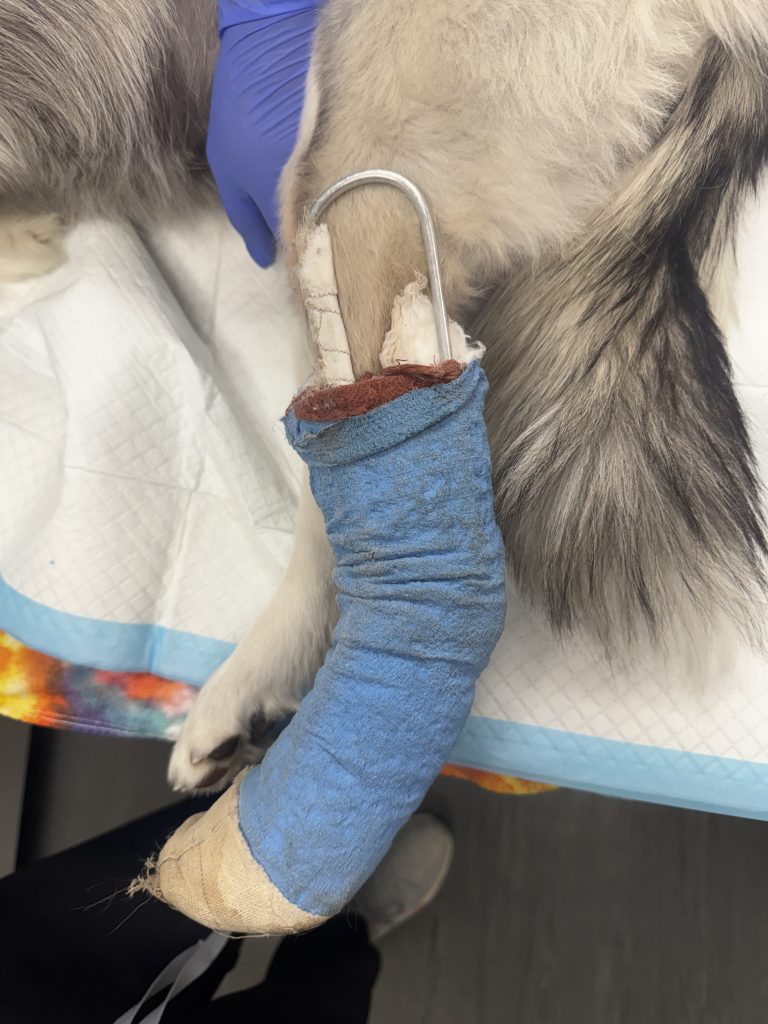
After TPLO, the practice described in the source calls for eight weeks of strict activity restriction, with leash walks beginning two weeks after surgery. The plan is reviewed in consultation and in written instructions, then covered again at discharge. Even with those steps, a client called two days after surgery to ask whether a dog that seemed well could have free access to the house and yard. A pet’s energy level can improve before the healing process is complete, so owners need a clear explanation of why restrictions continue and how to manage them.
Incisions may develop inflammation, infection, fluid pockets called seromas or separation of the wound edges (dehiscence). Surgical choices such as operating through healthy tissue when possible, handling tissue carefully and selecting suitable sutures can help limit some risks. Owners also have a role: many incisions need protection from the environment or from licking.
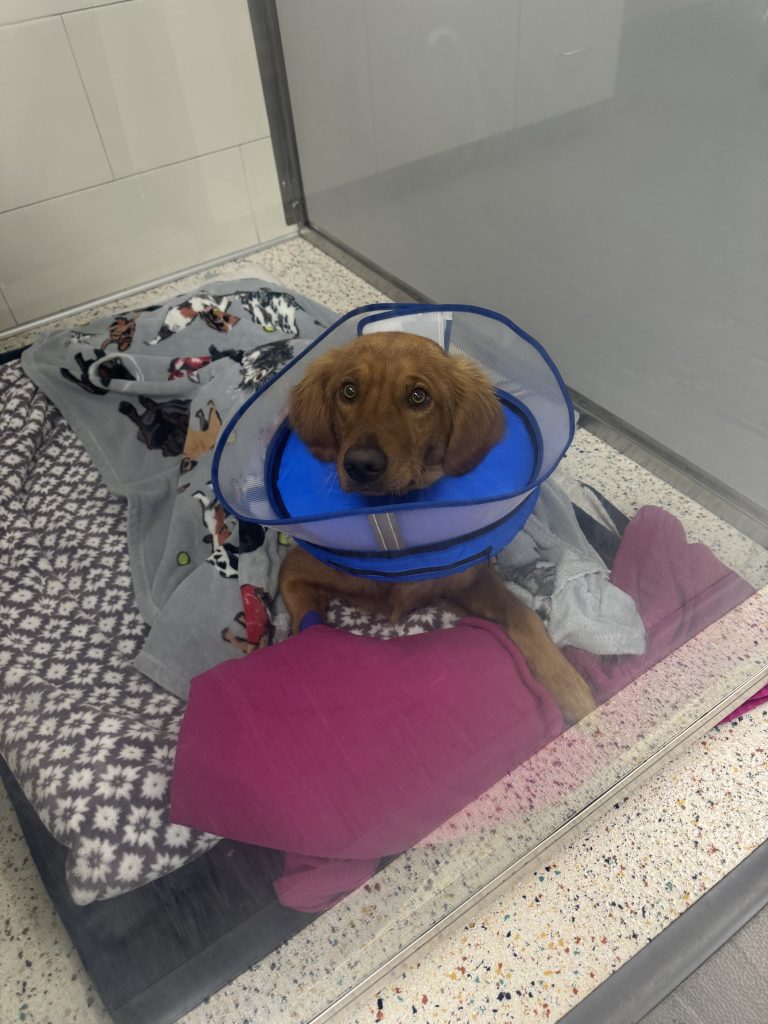
An Elizabethan collar is often the most reliable way to prevent licking, but alternatives may make the plan easier to follow. The practice reports improved owner compliance after offering options such as surgical suits and inflatable collars. The right choice depends on the pet and the incision; owners should check with their veterinary team about what will provide suitable protection.
Time set aside for questions, examination and review of diagnostic findings helps build trust and prepares owners to take an active part in care. When the veterinary team and family share an understanding of the diagnosis, options, risks and home instructions, owners are better equipped to follow the plan and notice changes that warrant veterinary attention.
References
- Gaynor, J. S., Dunlop, C. I., Wagner, A. E., Wertz, E. M., Golden, A. E., & Demme, W. C. (1999). Complications and mortality associated with anesthesia in dogs and cats. Journal of the American Animal Hospital Association, 35(1), 13-17.
- Gruenheid, M., Aarnes, T. K., McLoughlin, M. A., Simpson, E. M., Mathys, D. A., Mollenkopf, D. F., & Wittum, T. E. (2018). Risk of anesthesia-related complications in brachycephalic dogs. Journal of the American Veterinary Medical Association, 253(3), 301-306.
- Peron, Frank and Hoummady, Sara. (2020, November 25) Canine Aging and Frailty. Royal Canine Academy. https://academy.royalcanin.com/en/veterinary/canine-aging-and-frailty