Sunday, October 25, 2026 · Dogs
Helping Senior Pets Eat: Comfort, Pain Relief and Practical Feeding Changes
Noted by Castillo, Therese · 490 reads
Appetite loss in older pets can signal pain, nausea or access problems. A comfort-focused plan starts by finding the cause and making meals easier.
When an older dog or cat stops eating, the most useful question is often what makes food difficult or unpleasant—not how to persuade the animal to finish a meal. Appetite loss can accompany pain, nausea, dental problems, digestive irritation, or the physical strain of reaching a bowl. For pets receiving hospice care, the aim is comfortable, voluntary eating and a good quality of life, not simply reaching a calorie target.
Look for discomfort before reaching for appetite support
Appetite depends on signals between the brain and digestive system, and illness can disrupt those signals in several ways. Cancer-related cachexia, for example, involves inflammatory substances and other mediators that can dampen hunger while speeding the loss of muscle. Simply adding calories may not reverse those changes. Chronic kidney or liver disease can also contribute to nausea, while arthritis may make a trip to the feeding area painful or tiring.
That makes a careful assessment the first step when an older or palliative-care patient eats less. Pain, nausea, dental disease, and gastrointestinal ulceration are among the problems a veterinary team may need to identify and address. A cat with joint pain may struggle to reach a dish; a dog with a sore mouth may avoid chewing. Appetite support alone may have limited effect while the source of discomfort remains.
Changes in eating deserve veterinary attention, especially when they persist or come with other signs of illness. Owners can help by recording when the change began, what the pet will eat, how much it drinks, and whether vomiting, changes in stool, difficulty chewing, or reduced mobility are present. That information can help the veterinarian assess the problem and shape a plan around the animal’s condition.
Medication can support a broader care plan
Once a veterinary team has considered treatable causes, medication may help some patients. The choice depends on what appears to be driving the appetite change, the pet’s health, and how the medicine can be given.
Mirtazapine is among the most studied appetite-support medications in cats. It acts on several brain receptors involved in appetite and related signals. Controlled studies in cats with chronic kidney disease found improvements in appetite and weight with oral and compounded skin-applied forms; some studies also reported less vomiting. A skin-applied product is specifically labeled for weight loss associated with feline kidney disease. In dogs, reported appetite effects appear milder, though research has found that treated dogs were more likely to resume eating voluntarily and lost less weight than comparison groups.
Capromorelin acts on ghrelin receptors, which are involved in hunger signaling. It has been studied in dogs and is also used for weight loss associated with chronic kidney disease in cats. In a masked, placebo-controlled study of healthy beagles, food consumption rose by about 60 percent from baseline among dogs given capromorelin, while consumption fell in the placebo group. The result shows appetite effects in that study population; a veterinarian still needs to decide whether the medicine suits an individual patient.
Anti-vomiting medicines and anti-nausea medicines address related but distinct problems. Maropitant blocks NK-1 receptors involved in the vomiting response and can reduce vomiting. In cats with kidney disease, however, reduced vomiting has not always been accompanied by a stronger appetite. It may be useful as one part of care when vomiting is present, but it may not resolve nausea by itself.
Ondansetron blocks 5-HT3 receptors and may help when nausea is suppressing appetite even without active vomiting. A 2022 study found measurable anti-nausea effects from intravenous ondansetron in hospitalized dogs showing signs of nausea. Because oral absorption in dogs can be poor and variable, veterinary teams may choose an injectable route. Its use in animals is off-label. In some hospice situations, a veterinarian may consider combining or rotating anti-nausea approaches to address different pathways.
Pain relief can matter as much as appetite-focused treatment. For a pet with arthritis or cancer-related pain, a veterinarian may consider options such as gabapentin, opioids, or anti-inflammatory medicines, depending on the diagnosis and the animal’s needs. Owners should not start, stop, or change medication without veterinary guidance, particularly when a pet has chronic disease.
Make food appealing and manageable
Food’s smell, texture, temperature, and moisture can affect whether a sick or older pet is willing to try it. Warming food slightly may make its aroma easier to detect, which can help an animal with a reduced sense of smell. A highly palatable recovery or kidney diet may suit some patients, though the right food depends on the pet’s health and veterinary advice.
Small additions can also make a meal more inviting. Meal toppers, warm low-sodium broth, and lickable purees add aroma and moisture, and their soft texture can be easier for pets that tire of chewing. Lickable products may also help with hydration or make it easier to offer oral medication. Their practical appeal is clear, but independent evidence that these products directly stimulate appetite is limited. It’s more accurate to treat them as a way to encourage voluntary intake than as a proven medical treatment.
B vitamins may be considered for cats that have eaten poorly for a prolonged period, since extended inappetence can contribute to deficiencies that further affect appetite. Omega-3 fatty acids, including EPA and DHA, have anti-inflammatory and anti-cachectic properties that may help preserve lean muscle in pets with cancer. Evidence in veterinary oncology is still developing, so these supplements should be discussed with a veterinarian rather than treated as a substitute for care.
Probiotics have evidence for a different benefit: a controlled study in shelter cats and dogs found fewer episodes of diarrhea among animals given a probiotic than among those given a placebo. Better stool quality may improve digestive comfort for a pet with gastrointestinal problems, and that could indirectly support steadier eating. The study does not establish probiotics as appetite stimulants.
Syringe feeding or a feeding tube may be appropriate for some patients, but assisted feeding needs careful judgment in hospice care. Feeding a severely nauseated or actively dying animal by force can lead to distress, food aversion, or aspiration. The plan should reflect the patient’s comfort and ability to participate, rather than pursue a target amount of food regardless of how the animal feels.
Acupressure is an adjunct, with mixed evidence
Some veterinary teams use acupuncture or acupressure alongside other palliative care. The evidence varies by point and by the cause of nausea, so these methods belong within a diagnosis-driven plan rather than in place of veterinary assessment.
Stomach 36, or ST-36, sits on the outer hind limb just below the stifle. It is traditionally used to support digestive function and appetite, but the veterinary evidence for that use is largely observational. Pericardium 6, or PC-6, is on the inner forelimb just above the carpus and has stronger controlled-trial evidence for a specific situation. In a randomized trial involving 222 dogs, electroacupuncture at PC-6 reduced nausea and vomiting associated with morphine as effectively as maropitant or acepromazine, and more than a sham point or saline.
That finding does not mean PC-6 works for every cause of nausea. Studies did not find the same benefit when dogs received intravenous lidocaine, or when cats received PC-6 aquapuncture before dexmedetomidine-related vomiting. The available results suggest its effects may depend on the trigger, despite anecdotal reports of broader success.
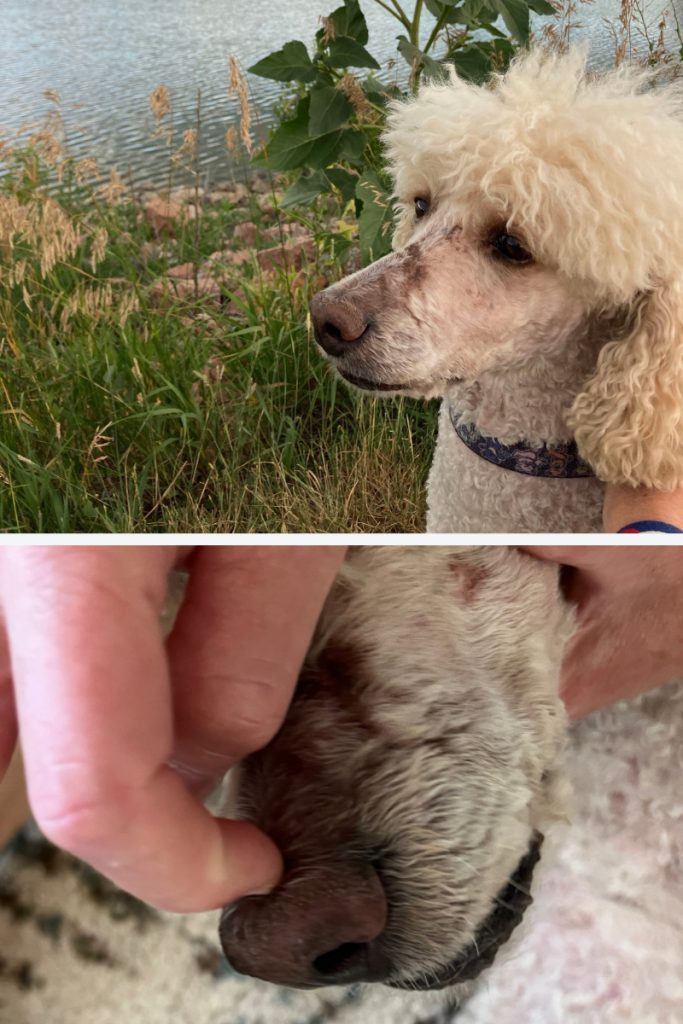
Shan Gen, a point on the middle of the nasal bridge where fur meets the hairless nose, is used by some veterinary acupuncturists to encourage a reluctant patient to take a first bite. Controlled research on appetite at this point is lacking. If a veterinary professional teaches the technique, gentle, sustained pressure for 20 to 30 seconds a few times daily can be offered as a low-key comfort measure.
Reduce the effort it takes to reach a meal
A pet may seem uninterested in food when the feeding setup has become uncomfortable. This is especially relevant for cats, whose joint disease can be hard to spot. Estimates suggest that 20 to 92 percent of older cats show clinical or radiographic signs of degenerative joint disease, and cats may conceal discomfort. A veterinarian can help assess mobility and pain when a cat no longer travels to its usual feeding spot.
For cats with mobility limits, raised dishes and feeding stations away from stairs or places that require jumping can make daily routines easier. Low-sided litter boxes on each level of the home can also reduce the effort of moving around. Several accessible food and water stations let a cat eat small meals without repeatedly crossing a long distance.
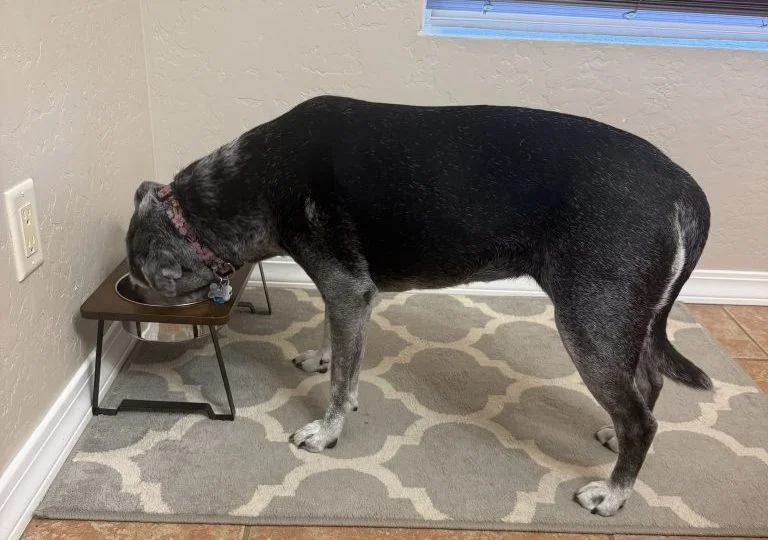
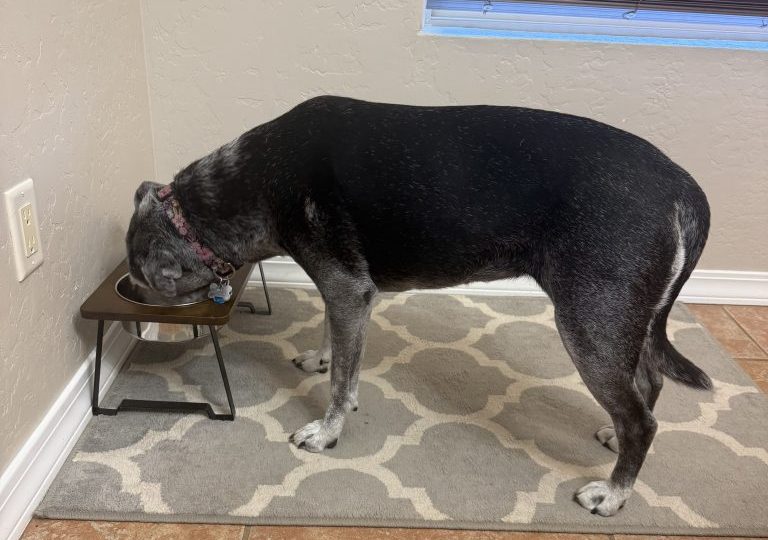
Some older dogs also benefit from changes in bowl height. A raised bowl may help a dog with neck arthritis, megaesophagus, or substantial forelimb pain, but a high stand is not a universal solution. For many large senior dogs, a non-slip mat beneath a floor-level bowl or a modest height selected for that dog may make eating steadier and more comfortable.
Build food and handling flexibility while pets are well
Early, low-stress practice can make later care easier. Owners of healthy puppies and kittens can offer different food textures and temperatures, such as wet and dry foods, pâté, shredded textures, or broth. Gradual exposure gives an animal more experience with variety before illness or age narrows its preferences.
Gentle handling practice can help with future medication and examinations, too. An owner might pair brief mouth or paw handling with food rewards, or tuck an empty pill capsule into a treat as a mock medication exercise. Short sessions built around gradual desensitization and positive associations can help a pet become more comfortable with routine care. A cat that has eaten only one kind of food for years may have fewer acceptable choices during illness than a cat introduced to several textures earlier in life.
Keep comfort at the center
In hospice and palliative care, the patient and caregiver form a unit of care. Success is measured in more than the amount eaten: comfort, communication, and the quality of the time shared matter as well. A thoughtful plan starts by looking for pain, nausea, and other treatable causes; then it considers medication, food preferences, complementary techniques, and changes to the feeding environment.
When appetite changes, contact a veterinarian to discuss what the pet’s behavior may be signaling. The best next step may be treating discomfort, moving the bowl, trying a more appealing texture, or adjusting the care plan. Let the animal’s comfort and willingness guide each meal.
===