Saturday, October 24, 2026 · Cats
10 Practical Ways to Make Relief Veterinarian Shifts Work Better
Noted by Castillo, Therese · 778 reads
Clear planning, fair pay and a thoughtful clinic welcome can support relief veterinarians, improve shift coverage and strengthen patient care.
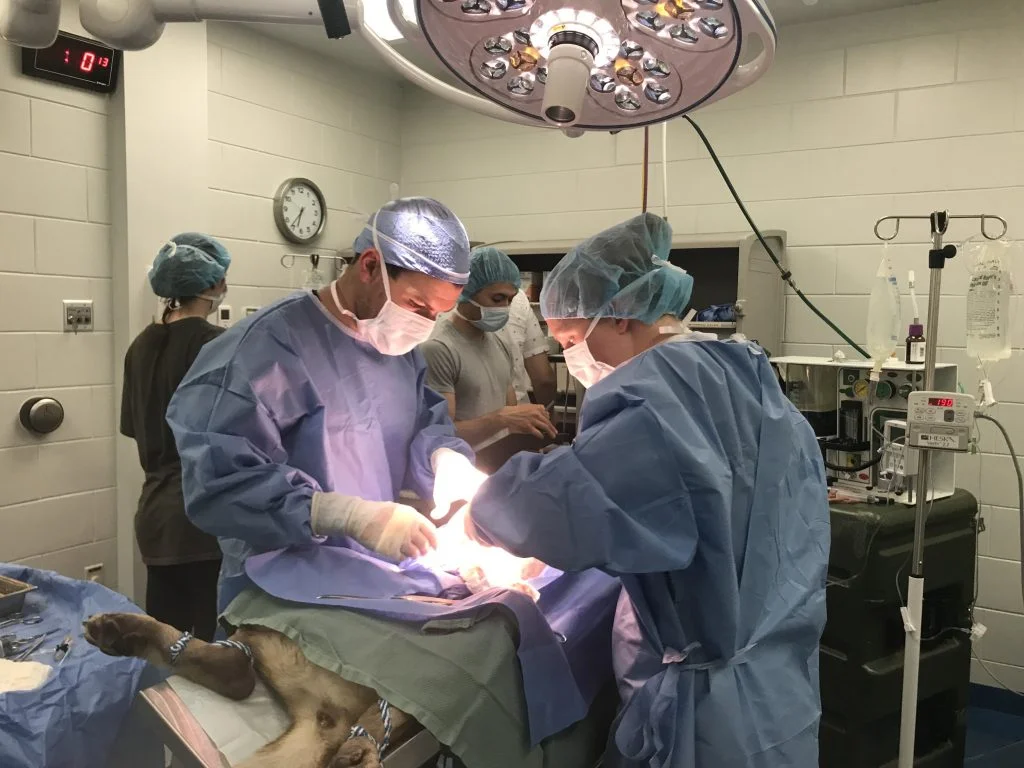
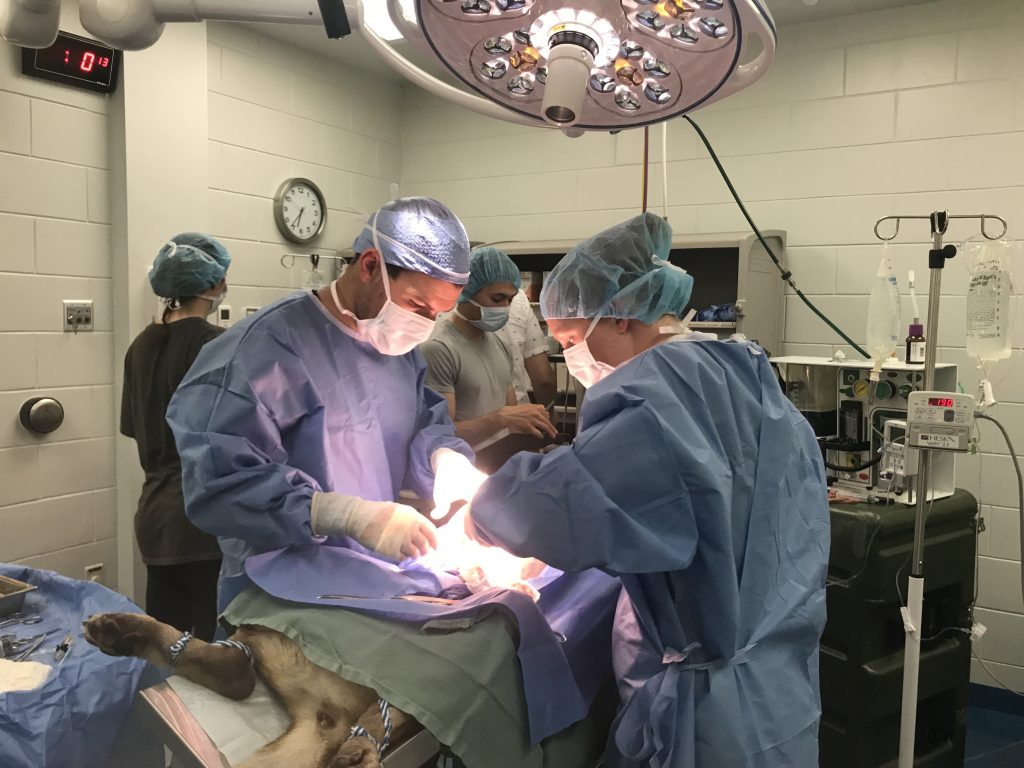
Relief veterinarians are part of the workforce clinics depend on to maintain care during staff shortages, busy seasons and planned leave. Yet treating each relief shift as a one-off fix can leave both the visiting veterinarian and the in-house team working with too little information or support. A better experience can help a clinic fill shifts, support continuity of care and make each workday run more smoothly.
The scale of this workforce is growing. The source reports that nearly one in 10 veterinarians in private practice worked in relief or contract roles in 2025, continuing a rise over the previous decade. At the same time, clinics face flat patient volumes, higher operating costs and tight margins. Relief coverage deserves the same planning and attention as other parts of clinic operations.
That matters for the veterinarian, too. The 2026 Serenity Vet study found relief veterinarian burnout at its highest level in five years, up 25 percent since 2022. One in three respondents reported unstable or unpredictable income, difficulty negotiating rates, or limited ability to advocate for themselves. Respondents also described unclear expectations, poor communication and missing protocols as sources of stress. These conditions can make a shift harder to deliver well and reduce the likelihood that a veterinarian will return.
Make the work predictable before the shift
Plan ahead. Vacations, parental leave and seasonal demand often give clinics advance notice of coverage needs. Booking early gives both sides more control over their schedules; nearly one in four relief veterinarians reported difficulty managing theirs. Early planning also makes it easier to find a clinician whose availability and skills match the day.
Keep a trusted network. When a relief veterinarian has done good work at your clinic, maintain the relationship and offer them the first chance to take future shifts. Practitioners with repeat clients report greater financial stability and lower burnout than those who must continually find new work. Familiarity can also shorten orientation and help support consistent care for patients.
Set out the terms clearly. Confirm the date, hours and pay, then describe what the shift involves: expected caseload, available support staff, special procedures and relevant clinic policies. More than 28 percent of relief veterinarians reported difficulty finding shifts that were well-paid, well-scheduled or suited to their preferred work. Clear details help a clinic and veterinarian decide whether the assignment is a good fit before the day begins.
Agree on extra hours in advance. Discuss possible overtime or undertime, how time will be recorded, compensation and payment arrangements before the shift. A clinic may expect the day to end on time, but an unexpected need can change that. Shared expectations make it easier to handle the change fairly if it occurs.
Recognize flexibility. Added appointments, procedures or hours can arise during the day. When a shift grows beyond its original scope without acknowledgment or compensation, frustration can follow. The source suggests considering a hybrid model that combines a flat rate with a production bonus, particularly for emergency or urgent care settings. More than 17 percent of surveyed relief veterinarians said they would welcome that arrangement. Any pay structure should be explained upfront so both sides understand how added work is handled.
Set visiting veterinarians up to do their work
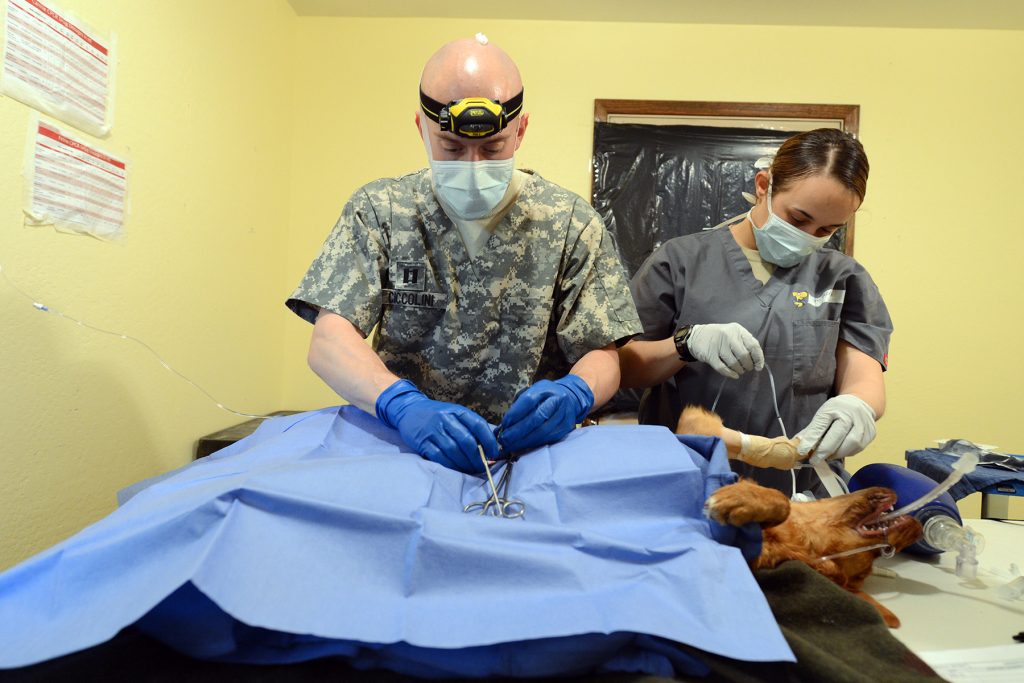
Begin with a brief orientation. Even experienced clinicians may feel unsettled on a first day in an unfamiliar clinic. Show them the work areas and staff lounge, explain the day’s workflow, and point out details about their workstation. A short welcome can prevent avoidable confusion and help the veterinarian settle in. Survey respondents identified missing onboarding and weak integration with clinic teams as stressors.
Review protocols and records. Cover the practice information management system, recordkeeping expectations, controlled substances procedures and communication norms. A focused review gives the veterinarian a way to check how your clinic handles routine tasks instead of discovering differences in the middle of a busy shift.
Provide access to tools before work starts. Arrange login credentials and practical guides for clinic software in advance. If the clinic uses AI scribes or time-tracking tools, make sure the veterinarian can access and use them. Nearly 29 percent of relief veterinarians said AI scribe support made them more likely to accept shifts at a clinic. Those who used the tools reported greater work fulfillment and slightly lower burnout scores.
Keep the relationship open
Say thank you. A sincere verbal acknowledgment or brief follow-up email can show that the clinic noticed the veterinarian’s contribution. Feeling respected may make a clinician more willing to return, helping the practice build continuity in its relief coverage.
Ask what could work better. Relief veterinarians see how different clinics handle scheduling, communication and workflows. Invite specific feedback about the shift: what helped, what caused friction and what might be improved. A practical observation from someone working across clinics may point to a fix that the regular team has missed.
Reliable relief coverage depends on more than finding someone available. Advance planning, transparent terms, useful orientation and a respectful working relationship give veterinarians a clearer path to contribute. Clinics can start by making those steps part of every booking and asking each visiting veterinarian what would make the next shift better.
Andrew Ciccolini, DVM, MSOL, is a relief veterinarian and co-founder of Serenity Vet, a subscription-based veterinary relief management platform. He is the former medical director at the National Mill Dog Rescue, a nonprofit in Colorado, and director of Non-Profit Initiatives at Galaxy Vets. His background includes service in the U.S. Army, where he advanced from associate veterinarian to vice president of Operations.